
How a Foreign Engineer Uses Vue Prototypes to Align on Specs
I've worked as a foreign engineer on a Japanese frontend team for 9 years. Time and again, in spec confirmations and progress updates, we'd both think we "understood each other," only to discover a mismatch later on. As someone who isn't a native Japanese speaker, this was a particularly big wall for me.
Recently, the barrier to building prototypes with AI has come down, and there are more and more situations where, instead of explaining things in writing, we reach agreement by showing a working Vue component. When you make something people can actually touch through screen sharing, misalignments in understanding surface much faster. The act of moving forward while showing something concrete has also helped build trust within the team.
In this lightning talk, I'll share, from a foreign engineer's perspective, techniques for aligning understanding through "something that works" rather than relying on words, in Vue/Nuxt development.
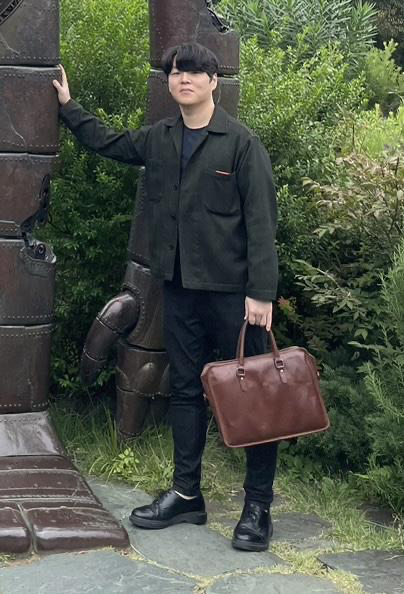
noh wan
noh wan
How a Foreign Engineer Uses Vue Prototypes to Align on Specs
I've worked as a foreign engineer on a Japanese frontend team for 9 years. Time and again, in spec confirmations and progress updates, we'd both think we "understood each other," only to discover a mismatch later on. As someone who isn't a native Japanese speaker, this was a particularly big wall for me.
Recently, the barrier to building prototypes with AI has come down, and there are more and more situations where, instead of explaining things in writing, we reach agreement by showing a working Vue component. When you make something people can actually touch through screen sharing, misalignments in understanding surface much faster. The act of moving forward while showing something concrete has also helped build trust within the team.
In this lightning talk, I'll share, from a foreign engineer's perspective, techniques for aligning understanding through "something that works" rather than relying on words, in Vue/Nuxt development.